Termite Inspections Across Greater Cincinnati
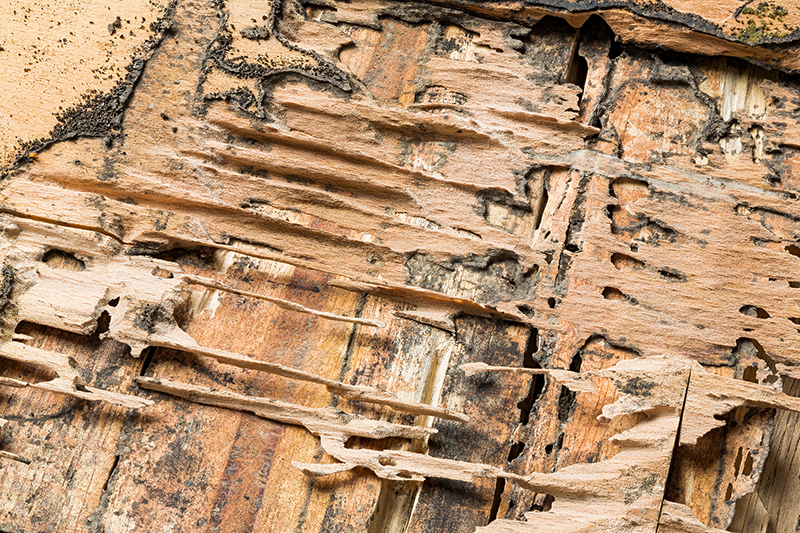
Termites are patient. A colony can operate inside a home for years, moving from soil to wood and back again, feeding on structural framing, sill plates, floor joists, and any cellulose material it can reach. Because the visible signs are often subtle, homeowners frequently don’t realize they have activity until damage is already extensive. Termite inspections catch these conditions early, documents any conducive conditions that make future infestation more likely, and produces the report that real estate transactions and lender programs often require.
Cincinnati Certified Home Inspections performs termite inspections throughout Greater Cincinnati, including Hamilton, Clermont, Warren, and Butler counties. Our home inspectors carry the training and licensing required to evaluate properties for wood destroying insect activity and to document findings on the standard forms lenders, VA, and FHA programs typically require. Whether the inspection is part of a real estate transaction, a lender-driven requirement, or a homeowner’s own periodic check on the property, we approach the work with the specificity termite inspection actually needs.
About Termite Inspections
A termite inspection is a systematic visual evaluation of a property for evidence of wood-destroying insects and the conditions that support them. Despite the common name, the inspection scope typically includes all wood-destroying organisms, not just termites. That means our home inspectors also document evidence of carpenter ants, carpenter bees, powderpost beetles, and wood-decay fungi, all of which can cause structural damage in Cincinnati-area properties.
Our inspectors start with the exterior, examining the foundation perimeter, sill plates where visible, exterior wood elements including trim and siding, decks, porches, wooden steps, fencing that connects to the structure, and any wood-to-soil contact. Mulch beds against the foundation get particular attention because they hold moisture and provide the exact conditions subterranean termites thrive in. We document any wood debris left in crawlspaces or against the exterior from prior construction or landscaping work, since it serves as a food source and staging area for termite colonies.
Inside the property, we carefully examine basement and crawlspace framing. We directly inspect sill plates, band joists, floor joists, girders, subfloor, and any wood elements accessible from below. Mud tubes, the pencil-thin earthen tunnels subterranean termites build to travel between soil and wood, are one of the most reliable indicators of active infestation, and we look for them along foundation walls, on piers, on framing members, and in any location where termites might bridge from soil to structure. We probe accessible damaged wood to distinguish current soft or hollow conditions from historical damage that has been repaired.
Above-grade evaluation includes window and door frames, baseboards, trim in rooms with plumbing walls, and any interior wood elements where activity might appear. Swarmer termites, the winged reproductives that emerge from established colonies to start new ones, sometimes leave wings on windowsills or floors even when the colony itself is not immediately visible, and we look for this evidence. Attic spaces get their own review for evidence of powderpost beetle activity, carpenter ant frass, and moisture-driven wood-decay fungi.
Conducive conditions receive documentation alongside actual evidence of activity. These include wood-to-soil contact anywhere on the structure, high moisture readings in framing or foundation walls, plumbing leaks, poor grading that directs water toward the foundation, missing or damaged vapor barriers in crawlspaces, wood debris under decks or against the foundation, mulch depths and placement, dense landscaping against the structure, and any construction detail that would allow termites hidden access to structural framing. Even without current activity, documenting conducive conditions helps the property owner understand the risk profile and take corrective action.
For real estate transactions, we complete the standard NPMA-33 Wood Destroying Insect Inspection Report that most lenders, VA loans, and FHA loans accept. We also provide additional reporting formats when specific institutional requirements call for them. Reports are delivered digitally, illustrated with photographs, and organized so findings are easy to understand and act on.
Why Termite Inspections Matter in Greater Cincinnati
The eastern subterranean termite, Reticulitermes flavipes, is established throughout the Greater Cincinnati region and is responsible for most termite activity in Hamilton, Clermont, Warren, and Butler counties. These termites live in soil-based colonies that can number in the hundreds of thousands, and they forage widely in search of cellulose material, which typically means wood in nearby structures. Colonies can operate several feet below the surface, shielding them from cold weather and allowing year-round activity in heated basements even during Ohio winters.
Older homes across Cincinnati’s mature neighborhoods are particularly vulnerable to termite activity for several reasons. Foundations in older properties often have close wood-to-soil clearances, or none at all when sill plates rest close to grade. Basement framing and finished basement construction often place wood elements in contact with concrete that wicks ground moisture. Original wood framing in these older homes has had decades to be discovered by termite colonies operating in the surrounding soil. Newer construction in Warren and Butler counties isn’t immune. Any home where grading, drainage, landscape choices, or construction details create pathways from soil to wood is a candidate for eventual activity.
The financial stakes of undetected termite damage are significant. Structural repair costs for extensive termite damage regularly reach into five figures, and homeowners’ insurance typically does not cover termite damage because it is considered a maintenance issue rather than an insured peril. A termite inspection catches conditions early enough that treatment options remain straightforward and repair scope stays manageable.
Real estate transactions in the Cincinnati market frequently require a documented termite inspection. Government-backed loans, including VA and FHA programs, mandate the inspection in many cases, and conventional lenders sometimes require it depending on property age, condition, or the results of the general home inspection. Buyers benefit from documented termite information even when it isn’t strictly required, especially for older homes with a higher risk profile. Sellers preparing for a listing can also benefit from a pre-listing termite inspection, since addressing findings on their own timeline is easier than negotiating over them during a transaction.
Why Choose Cincinnati Certified Home Inspections for Your Termite Inspection?
Our team of home inspectors carries the Ohio licensing and training required to perform wood-destroying insect inspections and to complete the standard reporting forms lenders and government loan programs typically require. We know the specific species active in the Cincinnati region and the activity patterns most common in local housing. We take the time each property requires to document conditions carefully, and we produce reports that give property owners, real estate agents, and lenders the information they actually need.
As a multi-inspector firm, we can schedule termite inspections on the tight timelines real estate transactions require, including bundling termite inspections with the residential home inspections many clients order at the same time. Combining these services in a single visit saves time and often catches conditions that neither inspection alone would fully address.
Schedule Your Termite Inspection in Greater Cincinnati Today
Cincinnati Certified Home Inspections offers termite inspections alongside residential home inspections, radon testing, and sewer scopes. Buyers often bundle all four services when purchasing an older home, since the combined coverage provides the most complete picture of the property and meets most transaction and lender requirements in a single appointment. Sellers preparing for a listing benefit from the same combination for the same reasons.
To book your termite inspection, contact us or schedule online. We serve Greater Cincinnati, including Hamilton, Clermont, Warren, and Butler counties. Whether you’re closing on an older home in Hyde Park, evaluating a farmhouse in Warren County, refinancing a property in West Chester, or want to know the current termite status of a home you’ve owned for years, our home inspectors are ready to conduct the inspection and produce the documented findings your situation calls for.